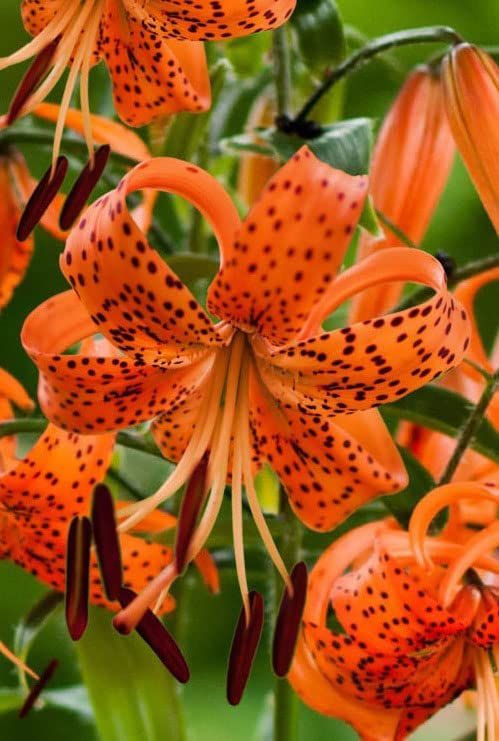
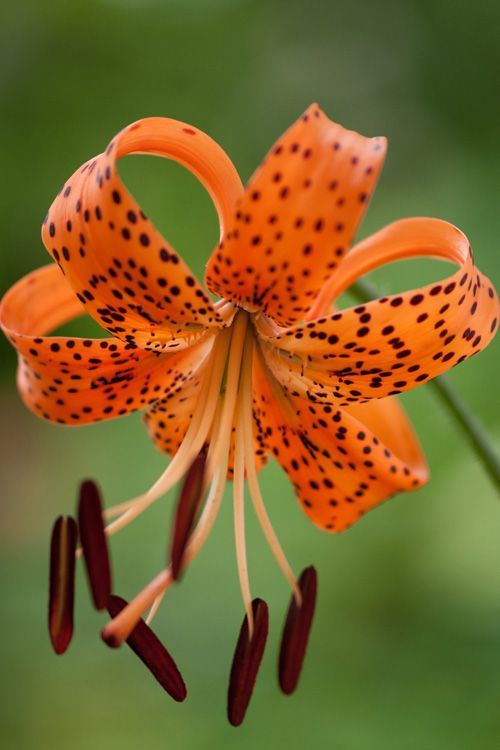
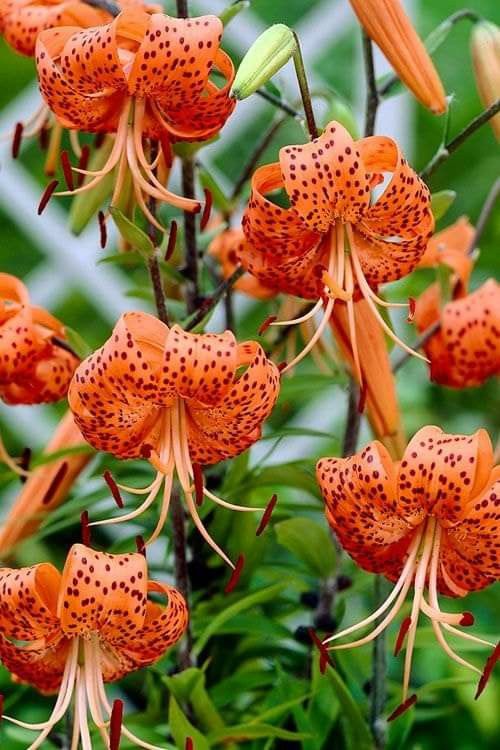
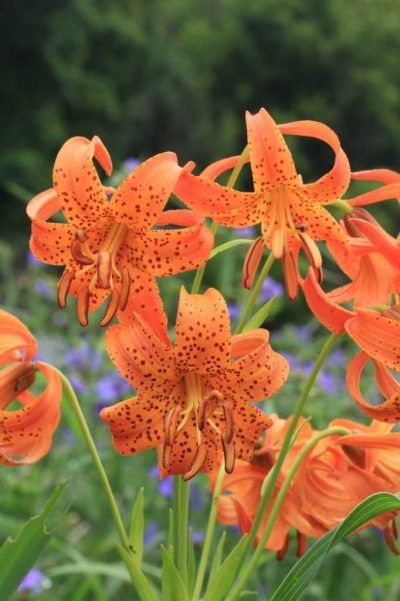
The Lancifolium Tiger Lily, also known as Lilium lancifolium or the Leopard Lily, is a striking and vibrant flowering plant known for its unique appearance and colorful blossoms. Here are some key features and details about this beautiful flower:
Characteristics of Lancifolium Tiger Lily:
1. Distinctive Appearance:
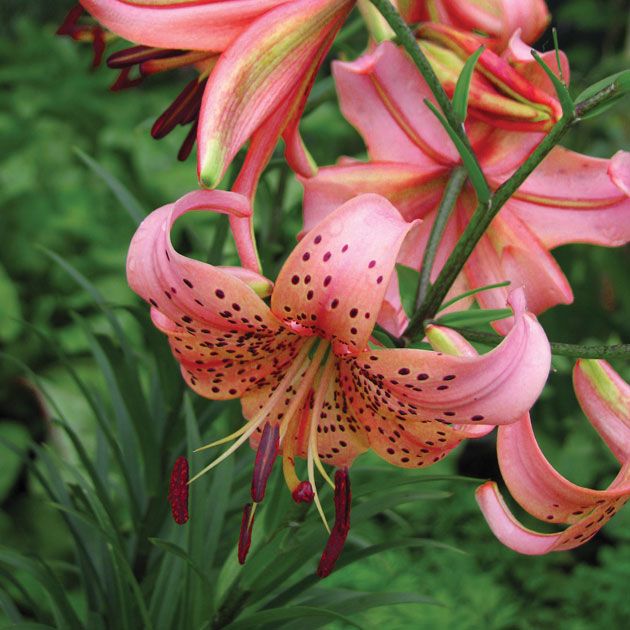
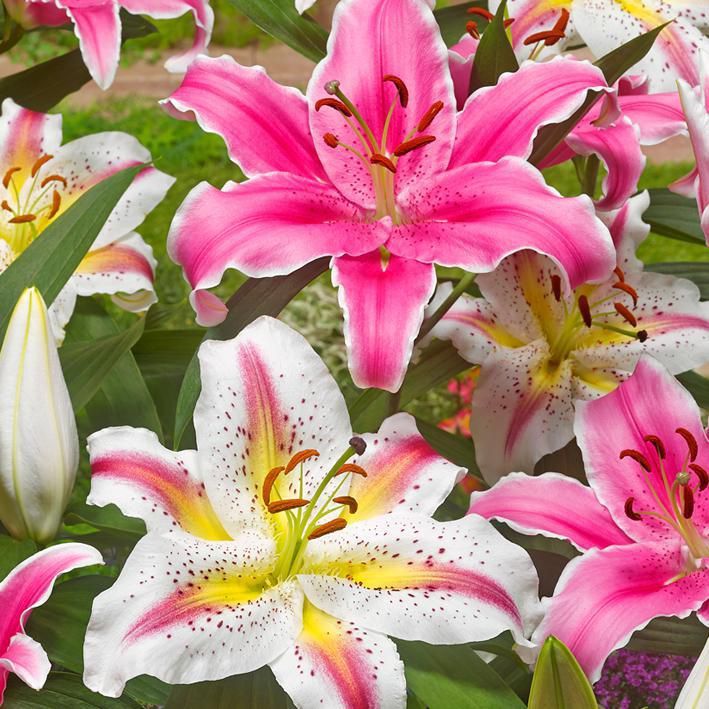
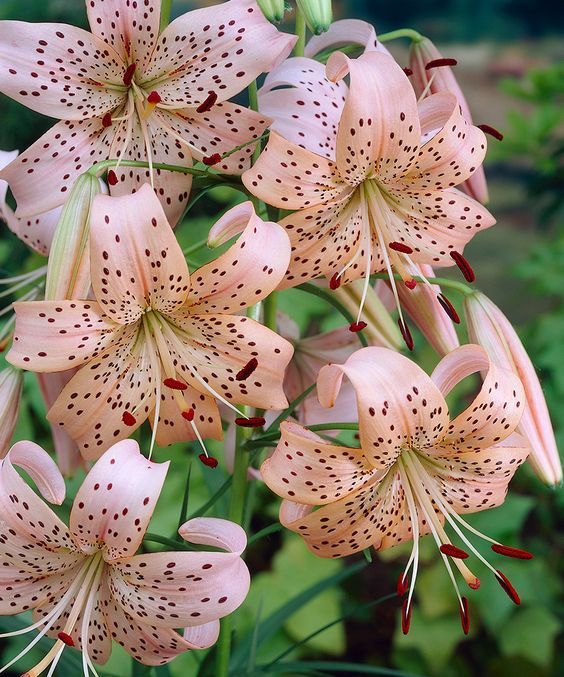
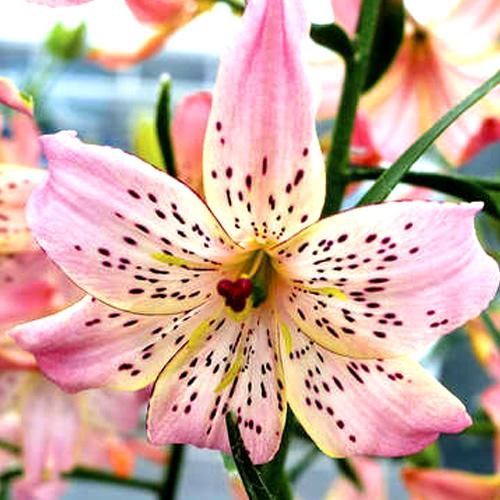
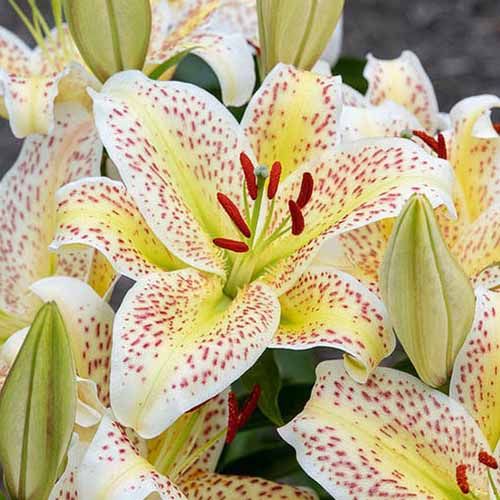
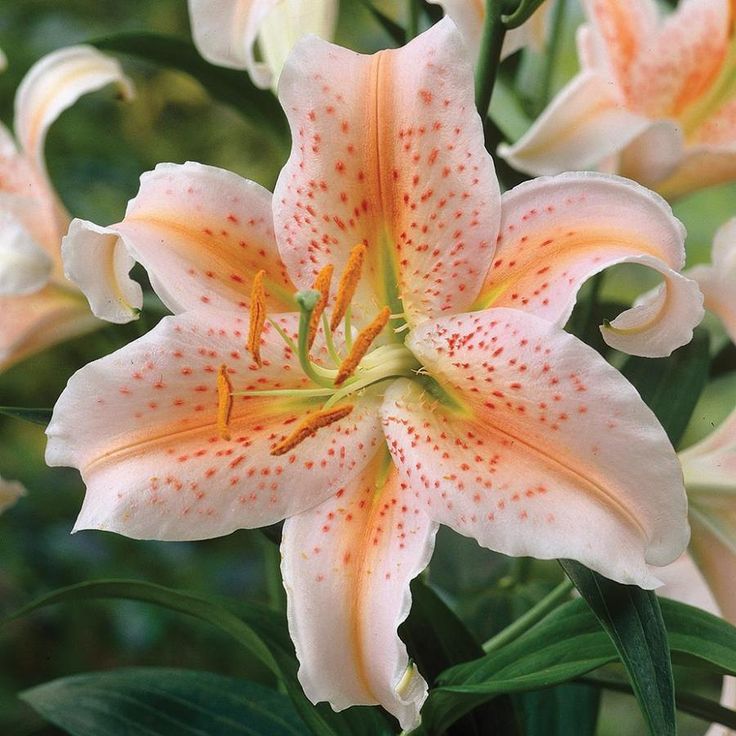
- Flower: The Lancifolium Tiger Lily showcases large, recurved flowers with prominent dark spots or freckles scattered across its vibrant orange petals. These petals curve backward, creating an elegant and eye-catching bloom.
- Height: Typically grows up to 3 to 4 feet tall, with each stem bearing multiple flowers, making it an impressive addition to garden landscapes.
2. Growing Conditions:
- Hardiness: This lily variety is known for its resilience and ability to thrive in various conditions. It’s well-suited for USDA hardiness zones 3 to 9.
- Soil and Sun: Prefers well-draining soil and thrives in full sun to partial shade. Adequate sunlight ensures optimal flowering.
3. Flowering Season:
- Bloom Time: Lancifolium Tiger Lilies typically bloom in mid to late summer, around July and August, producing a profusion of showy blossoms.
- Longevity: The flowers tend to last for several weeks, providing a prolonged display of their unique beauty in the garden.
4. Landscaping Uses:
- Borders and Beds: These lilies make fantastic additions to borders, flower beds, or mixed perennial gardens, adding a splash of vibrant color and an exotic touch.
- Cut Flowers: Their attractive blooms also make excellent cut flowers, adding a bold and captivating element to floral arrangements.
5. Propagation and Care:
- Propagation: Lancifolium Tiger Lilies can be propagated through bulbs, division, or seeds, making them relatively easy to propagate and expand in the garden.
- Care: They require minimal maintenance, regular watering, and occasional fertilization to support healthy growth and abundant flowering.
Conclusion:
The Lancifolium Tiger Lily, with its vibrant orange petals adorned with dark spots, stands out as a captivating and distinctive addition to garden landscapes. Known for its resilience, unique appearance, and relatively low maintenance needs, this lily variety is a popular choice among gardeners looking to add a bold and exotic touch to their outdoor spaces.